
Pure Peptides – Complete Guide to Peptide Purity, GLP-1 Research & Modern Peptide Science
Introduction
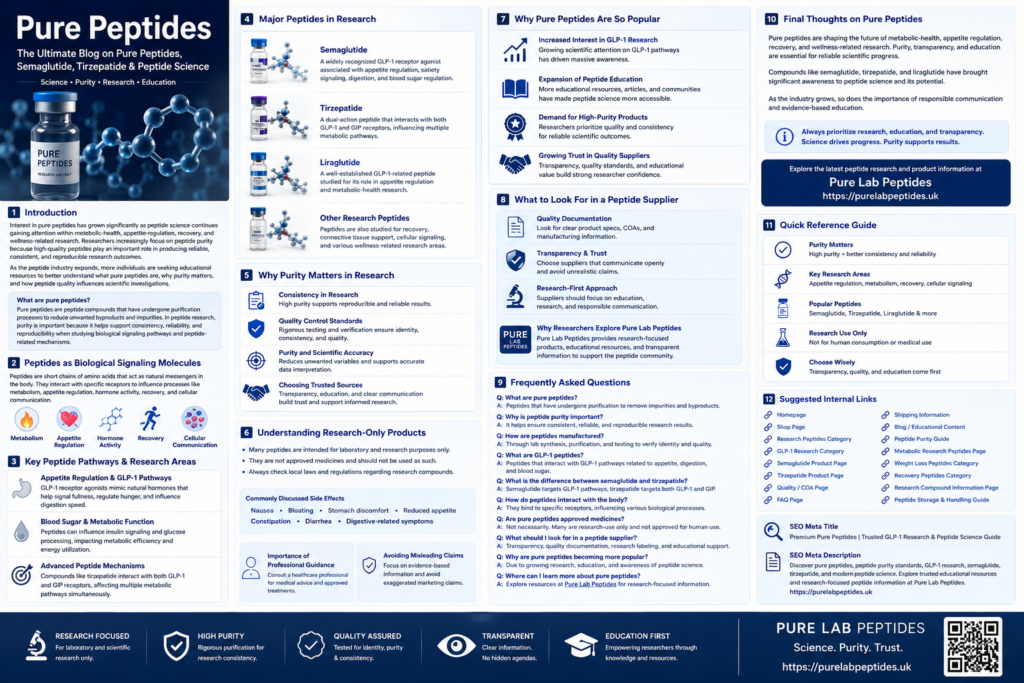
Interest in pure peptides has grown significantly as peptide science continues gaining attention within metabolic-health, appetite-regulation, recovery, and wellness-related research. Researchers increasingly focus on peptide purity because high-quality peptides play an important role in producing reliable, consistent, and reproducible research outcomes. As the peptide industry expands, more individuals are seeking educational resources to better understand what pure peptides are, why purity matters, and how peptide quality influences scientific investigations. Pure Peptides
Peptides are short chains of amino acids that naturally function as signaling molecules throughout the body. They are involved in numerous biological processes, including hormone communication, appetite regulation, metabolism, cellular signaling, recovery pathways, and glucose management. Because peptides interact with highly specific biological receptors, maintaining purity is considered an important factor in peptide-related research and laboratory studies. Pure Peptides
The term “pure peptides” generally refers to peptide compounds that have been carefully manufactured, tested, and assessed to meet specific quality standards. High-purity peptides are often associated with greater consistency, improved reliability, and more accurate research observations. As interest in GLP-1 compounds such as semaglutide and tirzepatide continues growing, discussions surrounding peptide purity have become increasingly important within the scientific community. Pure Peptides
Researchers exploring metabolic-health and appetite-regulation pathways often emphasize the value of quality-focused peptide production. Reliable peptide synthesis and quality-control procedures help support research consistency while reducing uncertainty caused by impurities or manufacturing variations. This focus on precision has helped make peptide purity one of the most important topics within modern peptide science.
As awareness surrounding peptide research expands, more readers are searching for trustworthy information about peptide manufacturing, quality standards, and scientific applications. Understanding the importance of purity can help researchers, educational readers, and peptide enthusiasts make more informed decisions when exploring modern peptide science.
For readers interested in learning more about peptide research, educational resources, and research-focused peptide information, Pure Lab Peptides provides content connected to current developments within the growing peptide industry.
Understanding Peptide Purity
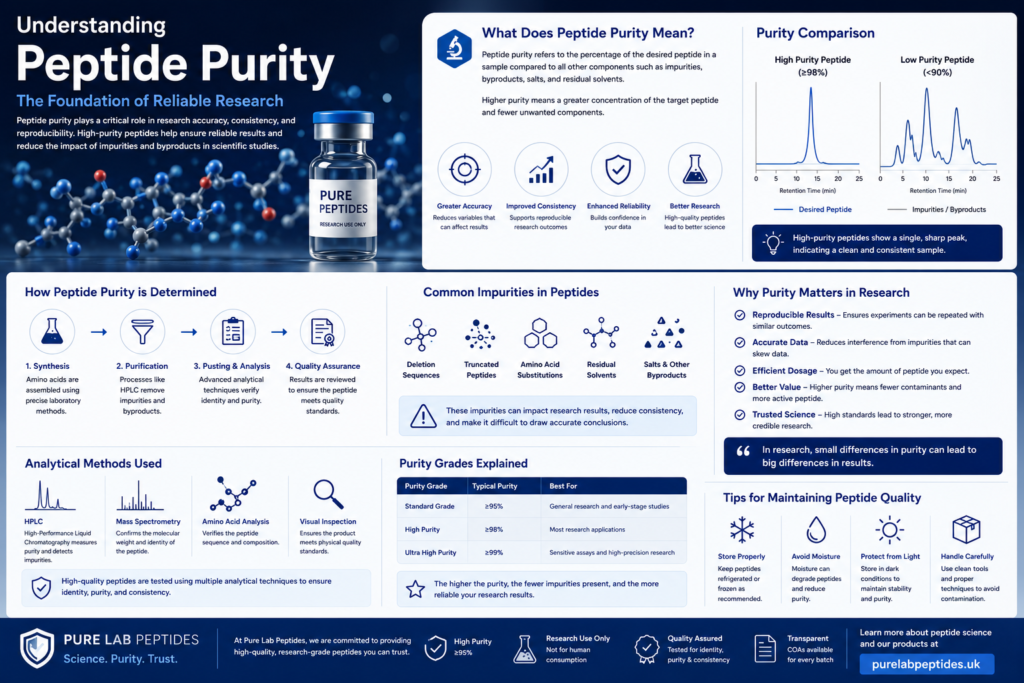
Peptide purity refers to the percentage of a peptide sample that consists of the intended peptide compound compared to unwanted byproducts, contaminants, or manufacturing residues. During peptide synthesis, multiple chemical processes are used to build amino acid chains into precise sequences. While modern manufacturing methods are highly advanced, purification procedures remain essential to ensure the final product meets quality expectations. Pure Peptides
Higher purity levels are often associated with improved research consistency because they help reduce the presence of unwanted compounds that could influence experimental outcomes. Researchers frequently discuss purity when evaluating peptide quality because even small variations may affect biological observations and data interpretation. Pure Peptides
As interest in pure peptides continues growing, many researchers seek suppliers that emphasize transparency, quality control, and detailed product information. Clear communication regarding peptide purity and manufacturing standards helps support confidence in peptide-related research activities. Pure Peptides
How Peptides Are Produced
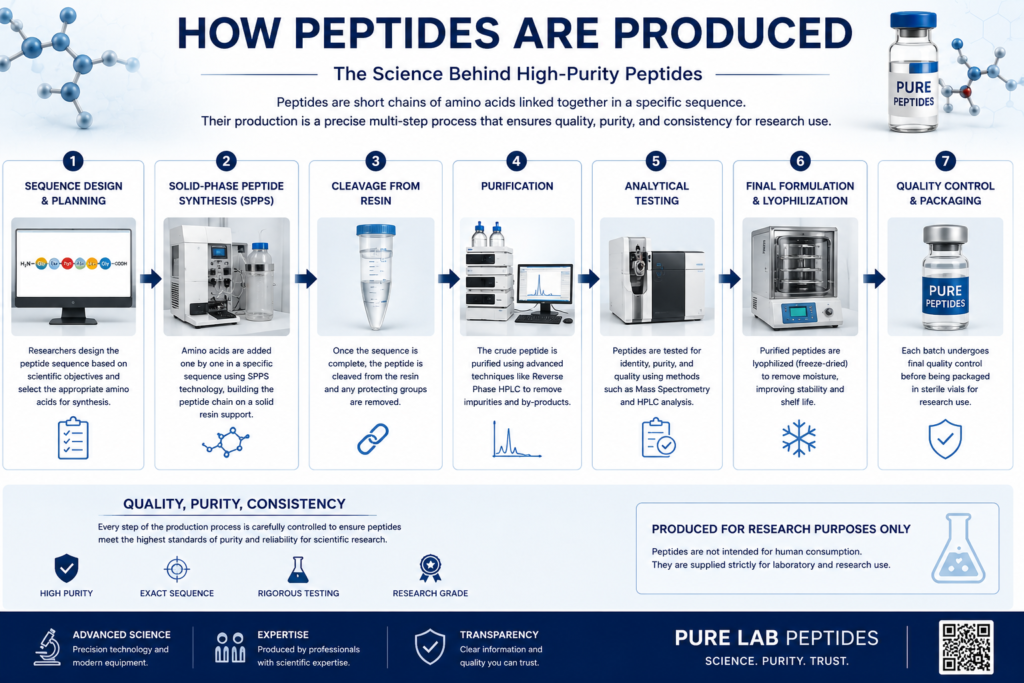
Peptides are typically produced through laboratory-based synthesis processes that carefully assemble amino acids into specific sequences. These manufacturing procedures require precise control to ensure the desired peptide structure is created accurately. Pure Peptides
Following synthesis, purification techniques are often used to separate the intended peptide from byproducts generated during production. Additional testing procedures may then be performed to assess peptide identity, purity, and consistency before the product is made available for research purposes.
Modern peptide manufacturing continues evolving as technology advances, allowing researchers and suppliers to improve quality-control procedures and support more consistent research outcomes. These advancements have played a major role in the increasing popularity of pure peptides within scientific and educational discussions. Pure Peptides
Why Purity Is Important in Research
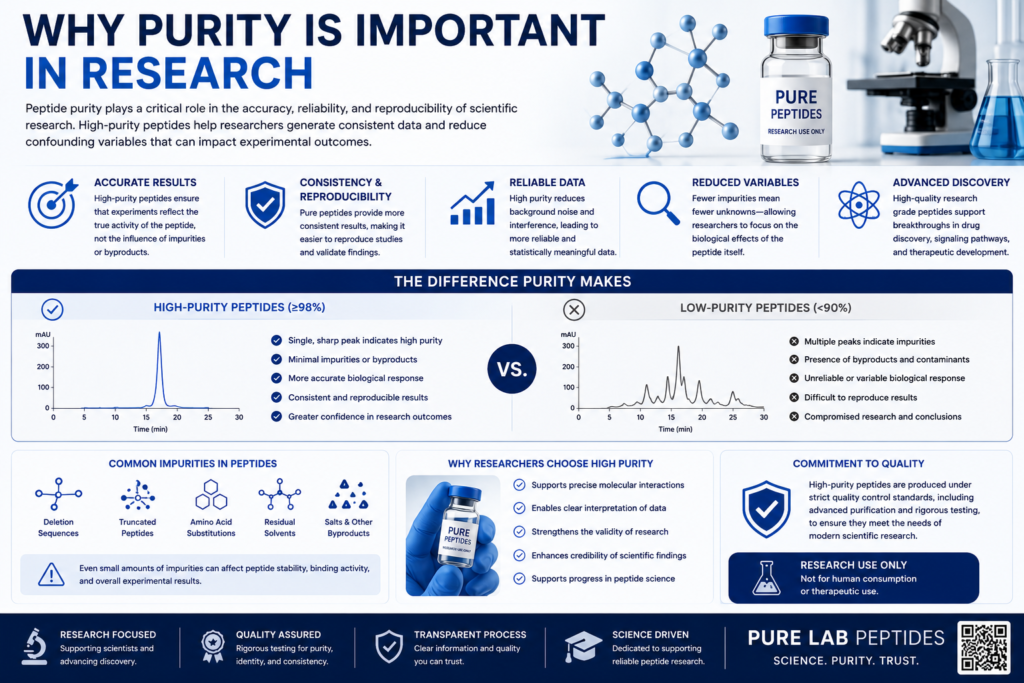
Purity is one of the most important factors in peptide research because it helps support consistency and reproducibility. When researchers conduct studies involving peptide compounds, reliable results often depend on using materials that accurately represent the intended substance being investigated. Pure Peptides
Impurities may introduce unwanted variables that complicate data interpretation or influence biological observations. By focusing on high-quality peptide production and purification standards, researchers can help improve confidence in experimental findings and research conclusions. Pure Peptides
This emphasis on purity has become increasingly important as peptide science expands into areas such as appetite regulation, metabolic-health research, recovery-related studies, and cellular signaling investigations. The growing interest in GLP-1 compounds has further increased awareness surrounding peptide quality and manufacturing standards.
Pure Peptides vs Lower-Quality Alternatives
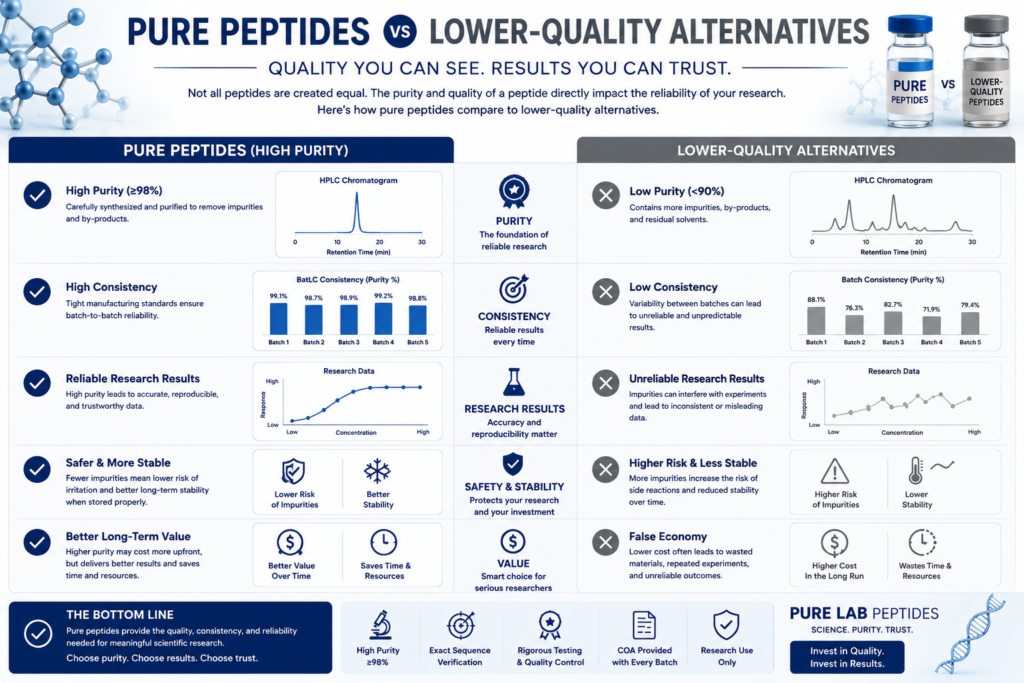
One of the biggest differences between pure peptides and lower-quality alternatives involves consistency and transparency. High-quality peptide products are typically associated with stricter manufacturing standards, more detailed quality-control procedures, and greater emphasis on research-focused information.
Lower-quality products may lack the same level of transparency regarding production methods, testing procedures, or product specifications. This can create uncertainty for researchers seeking reliable materials for scientific investigations.
As the peptide industry continues expanding, transparency and quality-focused communication are becoming increasingly important. Researchers and educational readers alike often prefer suppliers that provide clear information regarding peptide purity, research standards, and product specifications.
For readers interested in exploring peptide science further, Pure Lab Peptides provides research-focused peptide information, educational resources, and peptide product listings connected to modern developments within peptide research.
Peptides as Biological Signaling Molecules
Peptides are often described as the body’s natural messengers because they help facilitate communication between cells, tissues, and biological systems. These short chains of amino acids interact with specific receptors throughout the body, triggering responses that influence numerous physiological processes, including metabolism, appetite regulation, hormone activity, recovery pathways, and cellular communication.
Unlike larger proteins, peptides are small enough to target highly specific biological pathways. This targeted interaction is one reason peptide science has become such an important area of modern research. Scientists continue exploring how peptides influence biological functions and how these signaling pathways may contribute to future developments in metabolic-health, recovery, and wellness-related studies.
As interest in pure peptides continues growing, researchers place significant emphasis on purity and consistency because biological signaling depends heavily on accurate molecular interactions. High-quality peptide compounds help support reliable observations when studying these complex physiological processes.
Appetite Regulation & GLP-1 Pathways
One of the most widely discussed areas of peptide science involves appetite regulation and GLP-1-related pathways. GLP-1 receptor agonists mimic naturally occurring hormones released after eating. These hormones help signal feelings of fullness to the brain and play an important role in regulating hunger and satiety.
Compounds such as semaglutide and tirzepatide have attracted significant attention because of their association with appetite-regulation research. Researchers continue studying how these peptides influence calorie intake, food cravings, digestion speed, and satiety-related biological mechanisms.
The growing interest in GLP-1 pathways has helped make appetite-regulation peptides one of the most researched categories within modern peptide science. As awareness expands, more individuals are exploring educational resources related to pure peptides and their role in metabolic-health discussions.
Blood Sugar & Metabolic Function
Beyond appetite regulation, peptides are also commonly associated with metabolic function and blood sugar regulation. Certain peptide pathways influence insulin signaling and how the body processes glucose following food intake. Researchers continue investigating how these interactions may affect overall metabolic efficiency and energy utilization.
Stable metabolic function plays an important role in numerous physiological processes, which is why peptide-related research often focuses on understanding the connections between blood sugar regulation, appetite behavior, and energy balance.
The increasing popularity of GLP-1-related compounds has encouraged greater interest in peptide pathways associated with metabolism and glucose management. This has contributed significantly to the growing demand for educational information about pure peptides and modern metabolic-health research.
Advanced Peptide Mechanisms
Modern peptide science continues evolving as researchers explore increasingly sophisticated biological signaling pathways. One example is tirzepatide, which interacts with both GLP-1 and GIP receptors. This dual-action mechanism has attracted strong scientific attention because it influences multiple metabolic pathways simultaneously.
Researchers believe advanced peptide mechanisms may help improve understanding of appetite regulation, digestion, metabolic efficiency, and hormonal communication. As scientific knowledge expands, peptide research continues moving beyond traditional approaches and into more targeted biological investigations.
These developments have helped position peptide science as one of the fastest-growing areas within modern biomedical and metabolic-health research. Interest in pure peptides continues increasing as researchers seek high-quality compounds capable of supporting reliable studies and scientific exploration.
For readers interested in learning more about peptide science, research-focused educational resources, and peptide product information, Pure Lab Peptides provides content connected to current developments within the growing peptide industry.
Semaglutide
Semaglutide is one of the most recognized compounds within modern peptide science and has become a major focus of metabolic-health and appetite-regulation research. As a GLP-1 receptor agonist, semaglutide is associated with pathways involved in satiety signaling, digestion, and blood sugar regulation. Researchers continue studying how this peptide interacts with biological systems connected to appetite control and metabolic function.
The growing visibility of semaglutide has contributed significantly to increasing interest in pure peptides, particularly among researchers exploring appetite-regulation mechanisms and metabolic-health discussions. Because semaglutide has become one of the most widely discussed GLP-1 compounds, it is frequently referenced in educational resources related to peptide science and obesity-related research.
As awareness surrounding peptide-based metabolic research continues expanding, semaglutide remains one of the most important compounds driving public and scientific interest in modern peptide developments.
Tirzepatide
Tirzepatide has emerged as one of the most advanced and widely discussed peptides within metabolic-health research. Unlike traditional GLP-1 compounds that primarily focus on a single pathway, tirzepatide interacts with both GLP-1 and GIP receptors. This dual-action mechanism has attracted considerable scientific attention because of its association with multiple biological pathways connected to appetite regulation and metabolic function.
Researchers continue studying tirzepatide to better understand how dual-pathway signaling influences satiety, digestion, blood sugar regulation, and energy metabolism. Its growing popularity has helped position it as one of the leading compounds within modern peptide science.
The increasing demand for information about tirzepatide has also contributed to broader awareness surrounding pure peptides and the importance of quality-focused peptide research.
Liraglutide
Liraglutide is another well-established GLP-1-related peptide frequently discussed within metabolic-health and appetite-regulation research. Although newer compounds such as semaglutide and tirzepatide often receive greater attention today, liraglutide continues to hold an important place within peptide science.
Researchers have studied liraglutide extensively because of its association with satiety signaling and appetite-regulation pathways. Its role in the development of GLP-1-related research has helped provide valuable insights into how peptide signaling may influence metabolic-health discussions.
As peptide science continues advancing, liraglutide remains an important reference point for understanding the evolution of appetite-regulation and metabolic-health research.
Other Research Peptides
Beyond semaglutide, tirzepatide, and liraglutide, numerous other peptides continue attracting attention across different areas of scientific investigation. Some compounds are commonly discussed in relation to recovery pathways, connective tissue research, cellular signaling, and broader wellness-related studies.
Researchers continue exploring peptides connected to muscle recovery, tissue-support discussions, biological repair mechanisms, and metabolic-health investigations. This broad range of research interests demonstrates how peptide science extends far beyond appetite-regulation discussions alone.
As interest in pure peptides continues expanding, educational resources surrounding emerging peptide categories have become increasingly valuable. Understanding the different areas of peptide research helps readers appreciate the diversity and complexity of modern peptide science.
For readers interested in learning more about peptide science, educational resources, and research-focused peptide information, Pure Lab Peptides provides content connected to current developments within the growing peptide industry.
Consistency in Research
One of the primary reasons researchers prioritize pure peptides is the importance of consistency in scientific investigations. Reliable research depends on using compounds that produce predictable and reproducible outcomes. When peptide purity is maintained at high standards, researchers can reduce variability and improve confidence in their observations and data interpretation.
Consistency becomes especially important when studying biological pathways connected to appetite regulation, metabolism, hormone signaling, recovery mechanisms, and cellular communication. Even minor variations in peptide composition may influence research findings, making purity a critical consideration within peptide science.
As interest in pure peptides continues growing, researchers increasingly seek products that support accurate experimentation and reliable scientific analysis.
Quality Control Standards
Quality control plays a major role in the production and evaluation of peptide compounds. Modern peptide manufacturing typically involves multiple stages of testing and verification to assess identity, consistency, and purity. These procedures help ensure that peptide products meet established specifications before they are used in research environments.
Researchers often value suppliers that emphasize transparency regarding manufacturing processes, quality-control practices, and product information. Clear communication surrounding peptide standards can help support trust and confidence within the research community.
As peptide science continues evolving, quality-control discussions have become increasingly important for researchers exploring metabolic-health, appetite-regulation, and wellness-related peptide studies.
Purity and Scientific Accuracy
Scientific accuracy depends heavily on using compounds that closely match their intended molecular structure. High-purity peptides help reduce the likelihood of unwanted variables affecting experimental observations. This can improve the reliability of biological studies and support more accurate data collection.
Researchers exploring peptide-related pathways often rely on precise molecular interactions when studying biological signaling systems. Purity helps ensure that observations are more likely to reflect the intended peptide rather than the influence of contaminants or manufacturing byproducts.
This focus on accuracy is one reason why discussions surrounding pure peptides continue growing across scientific, educational, and research-focused communities.
Choosing Trusted Sources
As demand for pure peptides increases, choosing trusted and transparent suppliers has become more important than ever. Researchers often look for suppliers that provide detailed product information, research labeling, educational resources, and clear communication regarding peptide quality.
Transparency allows researchers to better understand product specifications and make informed decisions regarding peptide selection. Educational content and research-focused information also help support responsible peptide discussions while encouraging evidence-based learning.
The growing popularity of peptide science has made trust, transparency, and quality standards key factors when evaluating peptide suppliers. Researchers increasingly prefer sources that focus on professionalism, educational value, and responsible communication rather than relying on exaggerated marketing claims.
For readers interested in exploring peptide science further, Pure Lab Peptides provides research-focused peptide information, educational resources, and peptide product listings connected to modern developments within the growing peptide industry.
Understanding Research-Only Products
As interest in pure peptides continues growing, it is important to understand the distinction between research-use compounds and approved pharmaceutical therapies. Many peptides available through research-focused suppliers are intended strictly for laboratory, educational, and scientific purposes. These products are often explored for their biological properties, signaling pathways, and potential applications within ongoing research environments.
Research-use peptides are typically discussed in relation to scientific investigation rather than approved medical treatment. This distinction is especially important as peptide science continues gaining mainstream attention. Readers exploring peptide-related topics should understand that research compounds and prescription medications may fall under different regulatory frameworks and serve different purposes.
Educational transparency helps support responsible discussions surrounding peptide science while encouraging a better understanding of how research products fit within the broader scientific landscape.
Commonly Discussed Side Effects
Certain peptides, particularly those associated with appetite-regulation and metabolic-health discussions, are frequently linked to side-effect conversations within scientific literature and educational resources. Some of the most commonly discussed effects include nausea, bloating, stomach discomfort, reduced appetite, constipation, diarrhea, and digestive-related symptoms.
Researchers continue studying how peptide signaling pathways interact with digestion, metabolism, and hormonal communication. Individual responses may vary depending on the specific peptide being studied and the biological systems involved.
Understanding commonly discussed side effects allows readers to approach peptide-related information with greater awareness while maintaining realistic expectations regarding ongoing scientific investigations.
Importance of Professional Guidance
When discussing peptide science, it is important to recognize the role of professional medical supervision in relation to approved pharmaceutical therapies. Certain peptide-based medications associated with appetite regulation and metabolic health may require healthcare oversight when prescribed for approved uses.
Educational resources should emphasize evidence-based information rather than encouraging self-diagnosis or unsupported health claims. As peptide science continues evolving, responsible communication remains one of the most important aspects of public education surrounding these compounds.
Researchers, readers, and peptide enthusiasts benefit most from transparent information that clearly explains both the potential significance and limitations of current peptide-related knowledge.
Avoiding Misleading Claims
One of the biggest challenges within the growing peptide industry is distinguishing evidence-based information from exaggerated marketing claims. As public awareness surrounding pure peptides increases, readers are increasingly seeking trustworthy educational resources that focus on scientific transparency rather than unrealistic promises.
Responsible peptide discussions should avoid presenting research compounds as guaranteed solutions or making unsupported therapeutic claims. Instead, educational content should focus on explaining biological mechanisms, research developments, peptide purity considerations, and ongoing scientific investigations.
Transparency helps build trust and allows readers to make more informed decisions when exploring peptide-related information. As the peptide market continues expanding, educational value and scientific accuracy will remain essential components of responsible peptide communication.
For readers interested in learning more about peptide science, research-focused educational resources, and peptide-related product information, Pure Lab Peptides provides content connected to current developments within the growing peptide industry.
Increased Interest in GLP-1 Research
One of the biggest reasons pure peptides have become increasingly popular is the growing attention surrounding GLP-1-related research. Over recent years, compounds such as semaglutide and tirzepatide have gained widespread visibility within scientific publications, metabolic-health discussions, educational platforms, and public conversations.
Researchers continue exploring how these peptides interact with biological pathways connected to appetite regulation, digestion, satiety signaling, and glucose management. As public awareness of these mechanisms grows, more individuals are seeking educational resources to better understand peptide science and the importance of peptide purity.
The expanding interest in GLP-1-related compounds has helped drive broader awareness of peptide research as a whole, making purity, transparency, and quality standards increasingly important topics within the industry.
Expansion of Peptide Education
Another factor contributing to the popularity of pure peptides is the rapid growth of peptide-focused educational resources. Scientific articles, research publications, educational blogs, podcasts, and online communities have made peptide science more accessible than ever before.
Readers are increasingly interested in learning about biological signaling pathways, peptide mechanisms, metabolic-health discussions, recovery-related research, and emerging scientific developments. This demand for information has encouraged greater transparency and educational value across the peptide industry.
As peptide science becomes more widely discussed, educational content continues to play an important role in helping readers distinguish evidence-based information from marketing claims while improving overall understanding of peptide-related research.
Demand for High-Purity Research Products
As awareness surrounding peptide science expands, so does the demand for high-purity research products. Researchers often prioritize peptide quality because consistency and accuracy are essential components of scientific investigations. High-purity compounds help support reproducible results and may reduce uncertainty caused by manufacturing variations or unwanted impurities.
The growing emphasis on quality has encouraged more researchers to seek suppliers that provide transparent information regarding peptide purity, manufacturing standards, and product specifications. This focus on reliability has become a defining characteristic of the modern peptide industry.
The increasing demand for pure peptides reflects a broader trend toward professionalism, scientific accuracy, and research-focused transparency within peptide-related discussions.
Growing Trust in Quality-Focused Suppliers
As the peptide market continues evolving, researchers and educational readers increasingly value suppliers that prioritize transparency, quality standards, and responsible communication. Trust has become one of the most important factors influencing purchasing decisions and educational engagement within the peptide industry.
Suppliers that provide detailed product information, research-focused educational content, and clear communication regarding purity standards often attract greater confidence from researchers seeking reliable peptide-related resources.
The growing popularity of pure peptides has reinforced the importance of quality-focused suppliers that support scientific learning, transparency, and responsible peptide discussions. As peptide science continues expanding, trusted educational platforms and professional suppliers are expected to play an increasingly important role within the industry.
For readers interested in exploring peptide science further, Pure Lab Peptides provides research-focused peptide information, educational resources, and peptide product listings connected to modern developments within the growing peptide industry.
What to Look For
Choosing a reliable source for pure peptides involves more than simply comparing product listings. As the peptide industry continues expanding, researchers increasingly value suppliers that emphasize transparency, educational support, and quality-focused standards. Reliable suppliers often provide detailed product descriptions, research labeling, storage information, and educational resources that help readers better understand peptide science.
Clear communication regarding product specifications and intended research use can also help researchers make informed decisions. Transparency surrounding peptide categories, quality standards, and scientific information has become one of the most important factors when evaluating peptide suppliers.
As demand for pure peptides continues growing, researchers are increasingly seeking suppliers that focus on professionalism, consistency, and research-oriented educational content.
Importance of Quality Documentation
Quality documentation plays a significant role in supporting confidence within peptide-related research. Researchers often look for suppliers that provide information regarding product specifications, manufacturing standards, and research-focused quality procedures.
Documentation helps improve transparency by giving researchers access to information that may assist in evaluating product consistency and research suitability. Educational information regarding peptide handling, storage practices, and research applications can also contribute to a more informed research environment.
As peptide science continues advancing, the importance of accessible and transparent product information has become increasingly recognized across the industry.
Transparency & Trust
Trust is built through transparency, consistency, and responsible communication. Researchers often prefer suppliers that clearly explain product categories, research-use classifications, and educational information without relying on exaggerated marketing language.
Educational content focused on peptide mechanisms, biological signaling pathways, and scientific developments can help create stronger trust between suppliers and researchers. Transparent communication also helps readers better understand the differences between research compounds and approved pharmaceutical therapies.
As interest in pure peptides continues increasing, transparency remains one of the strongest indicators of professionalism within the growing peptide market.
Why Researchers Explore Pure Lab Peptides
Researchers and educational readers exploring modern peptide science often seek platforms that combine product information with educational resources. Pure Lab Peptides provides research-focused peptide information, educational content, and peptide product listings connected to current developments within the peptide industry.
The platform offers resources related to GLP-1 compounds, metabolic-health discussions, appetite-regulation pathways, peptide purity considerations, and broader peptide science topics. This educational approach helps readers gain a better understanding of modern peptide research while exploring available peptide categories.
As the demand for pure peptides continues growing, educational platforms focused on transparency, scientific learning, and research-oriented information are becoming increasingly valuable within the expanding peptide community.
What are pure peptides?
Pure peptides are peptide compounds that have undergone purification processes to reduce unwanted byproducts and impurities. In peptide research, purity is important because it helps support consistency, reliability, and reproducibility when studying biological signaling pathways and peptide-related mechanisms.
Why is peptide purity important?
Peptide purity helps researchers obtain more reliable and consistent observations during scientific investigations. High-purity peptides may reduce unwanted variables that could influence experimental outcomes, making them a key consideration in modern peptide research.
How are peptides manufactured?
Peptides are typically produced through laboratory synthesis methods that carefully assemble amino acids into specific sequences. Following synthesis, purification and testing procedures are often used to help verify peptide identity, consistency, and quality before the product is made available for research purposes.
What are GLP-1 peptides?
GLP-1 peptides are compounds associated with biological pathways involved in appetite regulation, satiety signaling, digestion, and blood sugar management. Some of the most widely discussed GLP-1-related peptides include semaglutide, tirzepatide, and liraglutide.
What is the difference between semaglutide and tirzepatide?
Semaglutide primarily interacts with GLP-1 pathways linked to appetite regulation and satiety. Tirzepatide is notable because it interacts with both GLP-1 and GIP pathways, making it one of the most discussed dual-action compounds within modern peptide science.
How do peptides interact with the body?
Peptides act as biological signaling molecules that communicate with specific receptors throughout the body. These interactions may influence processes connected to metabolism, appetite regulation, hormone activity, recovery pathways, cellular communication, and other physiological functions.
Are pure peptides approved medicines?
Not necessarily. Many pure peptides available through research-focused suppliers are intended for laboratory and research purposes. Research-use peptides should not automatically be considered approved pharmaceutical therapies, and it is important to distinguish between research compounds and medically approved treatments.
What should I look for in a peptide supplier?
A reliable peptide supplier should provide transparent product information, educational resources, clear research labeling, quality-focused communication, and detailed information regarding peptide specifications. Transparency and professionalism are often important indicators of trustworthiness within the peptide industry.
Why are pure peptides becoming more popular?
Pure peptides are gaining popularity because of growing interest in peptide science, GLP-1 research, metabolic-health discussions, recovery-related studies, and biological signaling research. Increased awareness has led more researchers and educational readers to seek high-quality peptide information and research-focused resources.
Where can I learn more about pure peptides?
Readers interested in peptide science, educational resources, and research-focused peptide information can explore Pure Lab Peptides for additional content connected to modern developments within the growing peptide industry.